
That stabbing pain shooting down your leg when you stand up from your desk chair isn’t just part of getting older. The tingling in your fingers that wakes you up at 3 AM isn’t something you have to accept. When herniated discs and compressed nerves start taking over your daily routine, most people assume their only options are powerful medications, risky injections, or spinal decompression surgery. At Draper Spinal Care, we see patients every day who discover that non-surgical spinal decompression can restore the life they thought was gone forever.
Spinal Decompression
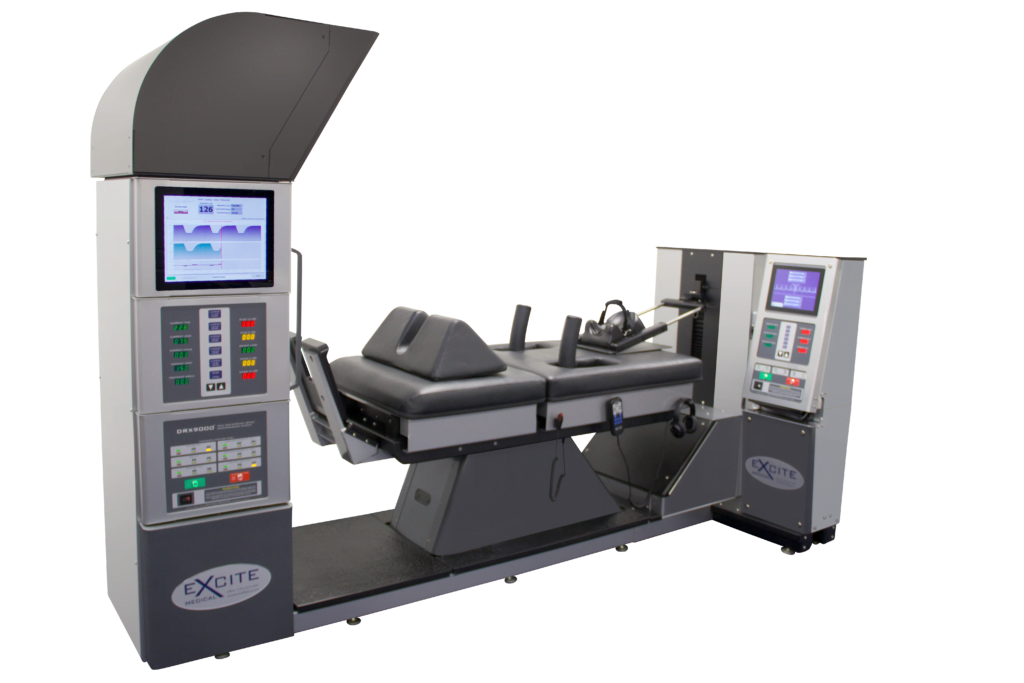
About Our Non-Surgical Spinal Decompression
Non-surgical spinal decompression is a precise mechanical therapy that creates negative pressure within the intervertebral discs through controlled motorized traction forces. The treatment uses computerized equipment to apply intermittent pulling forces to specific vertebral segments, causing the spine to elongate and creating a vacuum effect inside compressed spinal disks.
This negative pressure serves two important functions: it can cause bulging or herniated disc material to retract away from the spinal nerve roots, and it promotes the influx of oxygen, nutrients, and healing fluids into degenerated disc tissue. The therapy alternates between periods of distraction and partial relaxation, creating a pumping mechanism that enhances fluid exchange within the disc space.
The mechanical process works by overcoming the muscle guarding that typically prevents effective manual traction. Computer-controlled motorized traction systems can apply forces up to half the patient’s body weight while monitoring resistance and adjusting parameters in real time. This precision allows the therapy to target specific spinal levels without affecting adjacent healthy segments, making it far more effective than traditional constant-pull traction methods and a meaningful alternative to spine surgery for the right candidates.
Benefits of Our Non-Surgical Spinal Decompression
Disc Rehydration and Height Restoration
The negative pressure created during treatment can actually reverse disc degeneration by drawing water and nutrients back into dried-out intervertebral discs. This rehydration process can restore lost disc height and improve the shock-absorbing function that protects your spine during daily activities. Many patients notice improved posture and spinal alignment as their spinal disks regain their natural thickness and flexibility.
Nerve Root Decompression and Function Recovery
By increasing the space between vertebrae, the therapy relieves mechanical pressure on compressed spinal nerve roots that cause radiating back pain, leg pain, numbness, and weakness. This allows inflamed nerve tissue to heal and can restore normal nerve conduction, clearing up symptoms that may have stuck around for months or years. The restoration of nerve function often leads to improved muscle strength and coordination in affected areas.
Reduced Inflammatory Response
The mechanical decompression triggers the body’s natural healing response while reducing the inflammatory cascade that keeps chronic back pain going. As pressure decreases on sensitive nerve tissue, the production of inflammatory chemicals diminishes, breaking the cycle of pain and swelling that prevents many disc problems from healing on their own. This anti-inflammatory effect can provide lasting pain relief well beyond the treatment period.
Improved Spinal Mobility and Function
As disc health improves and nerve compression resolves, your spine regains its natural range of motion and stability. The restoration of normal joint mechanics reduces the compensatory movement patterns that develop when people avoid painful motions, helping prevent secondary problems in other areas of the spine. This functional improvement allows patients to return to activities they had been avoiding due to pain or fear of re-injury.
Long-Term Structural Changes
Unlike treatments that only provide temporary pain relief, spinal decompression therapy can create lasting changes in disc structure and spinal alignment. The healing that occurs during treatment continues after therapy ends, as rehydrated intervertebral discs maintain their improved function and compressed nerves remain free from mechanical irritation. For many patients, these structural improvements mean avoiding decompression surgery entirely.
Our Spinal Decompression Process
Diagnostic Imaging Analysis and Candidacy Assessment
We analyze your MRI, CT scan, or X-ray images to identify the exact location and severity of disc problems, measuring disc height, identifying nerve compression patterns, and evaluating spinal canal dimensions. This imaging review helps us determine which spinal levels require treatment and identify conditions like bone spurs, posterior facet syndrome, or spinal stenosis that may affect your candidacy. We also perform specific orthopedic tests to confirm your back pain and leg pain match disc-related compression rather than another underlying cause.
DRX9000® Calibration and Patient Positioning
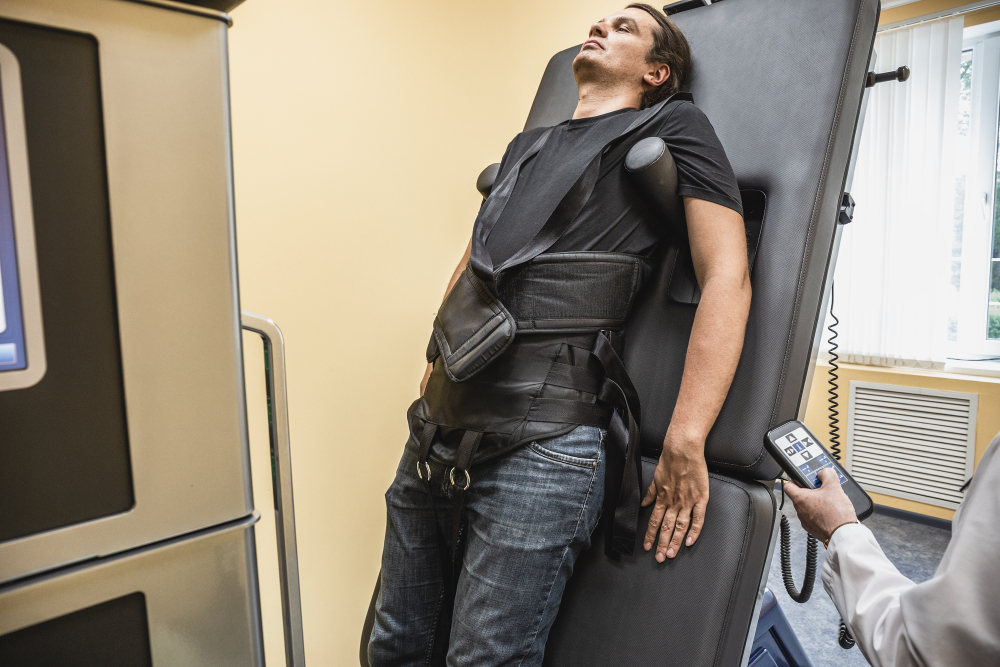
The DRX9000® system is programmed with your specific body measurements, weight, and targeted spinal segments to ensure precise force delivery during treatment. We fit you with specialized harnesses that isolate the treatment area while keeping you comfortable throughout the session. The computer calculates the exact angle and motorized traction force needed to create effective decompression at your problem levels while avoiding excessive stress on healthy segments.
Controlled Decompression Cycles
During each session, the DRX9000® applies graduated traction forces that slowly increase to your prescribed level, hold for a specific duration, then partially release in a programmed pattern. These cycles create the pumping action necessary for disc rehydration while preventing muscle spasm that would work against the decompression effect. The computer continuously monitors your spine’s response and adjusts parameters to maintain the right level of therapeutic tension throughout the treatment.
Response Monitoring and Protocol Adjustments
We track your pain levels, range of motion, and functional improvements after each session to determine if treatment parameters need modification. Some patients need force adjustments as their condition improves, while others benefit from changes in treatment angle or session duration. This ongoing assessment helps us get the best results from your care and determine the right number of sessions for your specific condition.
Stabilization Exercise Integration
As your spinal decompression therapy series progresses, we introduce specific exercises designed to strengthen the muscles that support your healing intervertebral discs and maintain proper spinal alignment. These exercises are carefully timed to work alongside the decompression process without interfering with disc healing. The stabilization program helps preserve your treatment gains and reduces the likelihood of future disc problems.
Is Spinal Decompression Right for You?
Spinal decompression therapy has real limitations that many clinics don’t discuss honestly. The treatment works best for disc-related problems and will generally not help conditions like spinal stenosis caused by bone spurs, spondylolisthesis, or back pain caused by arthritis or muscle strains. If your MRI shows severe disc collapse with less than 50% of normal height remaining, decompression may not create enough space to provide meaningful relief.
The therapy also requires a real time commitment that some patients underestimate. You’ll need to attend sessions 3-5 times per week for 4-6 weeks, and missing appointments can significantly reduce your results. Some patients expect immediate, permanent relief after a few sessions, but disc healing takes time, and you may notice fluctuating symptoms during the first few weeks of treatment.
Certain medical conditions make spinal decompression therapy unsafe or ineffective. Severe osteoporosis, previous spinal fusion surgery, pregnancy, or active cancer can all rule out treatment. Additionally, if your pain is primarily driven by psychological factors or you have unrealistic expectations about outcomes, mechanical therapy of any kind is unlikely to deliver the results you’re hoping for.
Why Choose Draper Spinal Care for Spinal Decompression
Advanced DRX9000® Technology
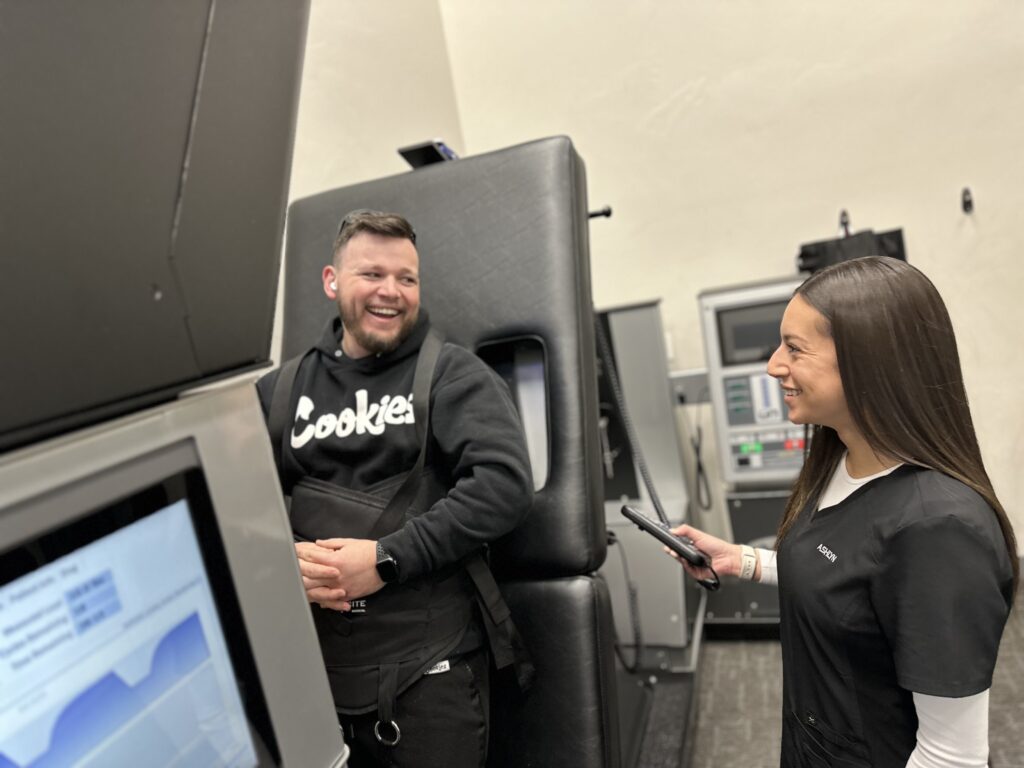
Our clinic uses the DRX9000® system, one of the most sophisticated computerized decompression systems available, with precise motorized traction control and real-time monitoring capabilities that older units simply can’t match. This advanced system allows us to target specific spinal segments and spinal nerve roots with exact force measurements while continuously adjusting based on how your spine responds during treatment.
Integrated Treatment Approach
We combine spinal decompression therapy with our specialized NUCCA upper cervical adjustments to address spinal problems from multiple angles at the same time. This combined approach often produces better results than decompression alone, as we can correct underlying alignment issues while your intervertebral discs heal. When appropriate, we also integrate hyperbaric oxygen therapy and functional nutrition support to further aid recovery.
Real Clinical Experience
Our team has worked with hundreds of patients dealing with disc-related conditions, back pain, leg pain, and posterior facet syndrome using the DRX9000® system. That experience helps us recognize which patients are the best candidates for treatment and how to adjust protocols for different disc problems. It also means we can be upfront with you about whether spinal decompression therapy is likely to help before you invest your time and money.
Schedule Your Decompression Consultation in Draper
If you’re ready to find out whether spinal decompression therapy can eliminate your disc-related pain without spine surgery, contact Draper Spinal Care today at (801) 701-2111, visit us at 11585 State St Suite 102 Draper, UT, or book an appointment to schedule your evaluation. We’ll review your imaging studies, assess whether you’re a good candidate for treatment, and walk you through exactly what to expect from the DRX9000® process. Don’t let back pain and leg pain keep running your life when non-surgical options are available right here in Utah.
Book An Appointment
FAQs About Spinal Decompression Therapy
How to decompress spine?
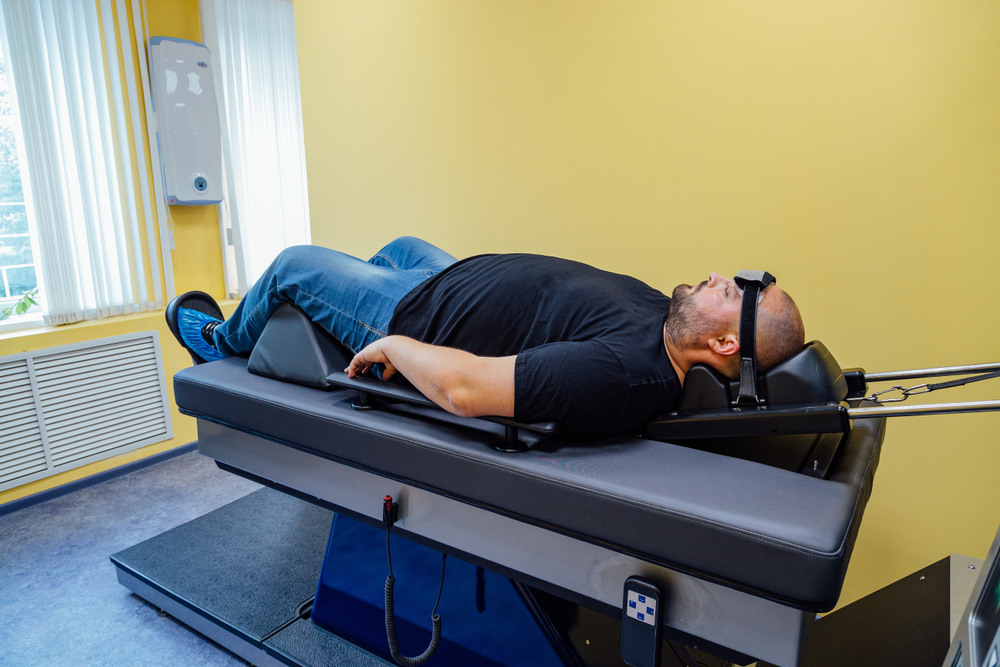
Spinal decompression therapy requires specialized equipment and trained practitioners to safely stretch your spine. During treatment, you’ll lie on the DRX9000® table fitted with a pelvic harness while the system applies controlled motorized traction to the targeted spinal segments. Your chiropractor creates a treatment plan based on your condition and needs. Each session typically lasts about 30 minutes, and most patients require multiple sessions for lasting results.
What is spinal decompression?
Spinal decompression is a non-surgical treatment that gently stretches the spine to relieve pressure on herniated or bulging intervertebral discs. This therapy uses a specialized motorized traction table to apply controlled, targeted motion that separates specific vertebral segments. The process creates negative pressure within the disc, which promotes blood flow, nutrient exchange, and natural healing. It’s a well-established alternative to spine surgery for many people dealing with chronic back pain and disc-related conditions.
What does decompressing your spine do?
Decompressing your spine relieves pressure on damaged intervertebral discs and spinal nerve roots. This pressure relief lets herniated or bulging disc material move back into place and creates space within the spinal canal for healing. The therapy improves blood flow and nutrient delivery to damaged tissues, supporting your body’s natural recovery. Many patients experience reduced back pain, improved leg pain, and better overall function as their spine heals.
How does spine decompression work?
Spine decompression uses a motorized traction table that applies gentle, controlled stretching to specific areas of your spine. You’re positioned comfortably while the table slowly creates space between your vertebrae and within the spinal canal. This creates negative pressure that helps retract herniated disc material away from the spinal nerve roots and brings oxygen-rich blood flow to the affected area. The treatment promotes natural disc regeneration and delivers meaningful pain relief by reducing pressure on compressed nerves.
Does back decompression work?
Yes, back decompression has shown to be effective for many patients dealing with herniated intervertebral discs, sciatica, posterior facet syndrome, and chronic back pain. Clinical studies and patient outcomes show that spinal decompression therapy can reduce pain and improve function without spine surgery or medication. The success rate is roughly 80 percent, with many patients experiencing pain relief within the first week of treatment. Results vary based on your specific condition and how consistently you follow your treatment plan.
Who can benefit from non-surgical spinal decompression?
Individuals dealing with herniated or bulging intervertebral discs, sciatica, degenerative disc disease, and posterior facet syndrome may benefit from this treatment option.
Is non-surgical spinal decompression painful?
Most patients report feeling only mild stretching or pulling sensations during their session. In fact, many find the treatment to be relaxing and comfortable.
How long does each treatment session last for non-surgical spinal decompression?
Sessions typically last around 30 minutes and are performed multiple times per week over several weeks. The specific duration depends on your individual needs as determined by your doctor.
