
Persistent tendon pain has a way of making simple tasks feel impossible. You might find yourself avoiding stairs because of achilles tendinopathy, or struggling to grip objects due to golfer’s elbow or tennis elbow that won’t resolve. When months of rest, ice, and conventional treatments haven’t brought relief, the frustration can be overwhelming. Shockwave therapy offers a different approach for stubborn soft tissue injuries and musculoskeletal disorders that seem resistant to healing.
Shockwave Therapy
What Is Shockwave Therapy
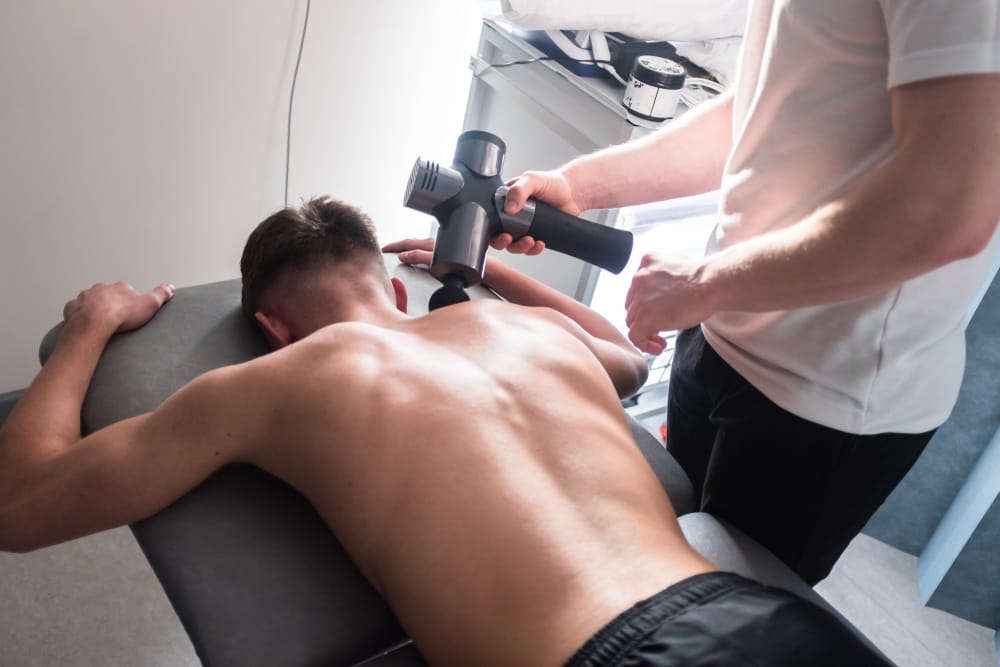
Shockwave therapy delivers focused acoustic pulses and shockwave impulses to injured tissues using a handheld device that generates high-energy sound waves. These shock waves penetrate several centimeters into your body, creating controlled mechanical stress within damaged tendons, ligaments, and muscles. The acoustic energy disrupts chronic inflammatory patterns and stimulates cellular activity at the injury site through well-understood biological mechanisms.
The therapy works by converting mechanical energy into biological responses within your cells. Each pulse creates microscopic cavitation bubbles in tissue fluids, which collapse and generate secondary pressure waves. This process activates growth factors, increases local metabolism, and triggers the formation of new blood vessels in areas where blood flow has become compromised, supporting tissue repair and tissue regeneration from within.
Originally developed in the 1980s for breaking up kidney stones, shockwave technology was later adapted for musculoskeletal use when researchers noticed that patients receiving the treatment for kidney stones often experienced relief from concurrent joint and muscle pain. Today’s devices are specifically calibrated for soft tissue treatment, delivering precise energy levels that promote healing without damaging healthy surrounding structures.
Benefits of Shockwave Therapy
Dissolution of Calcium Deposits
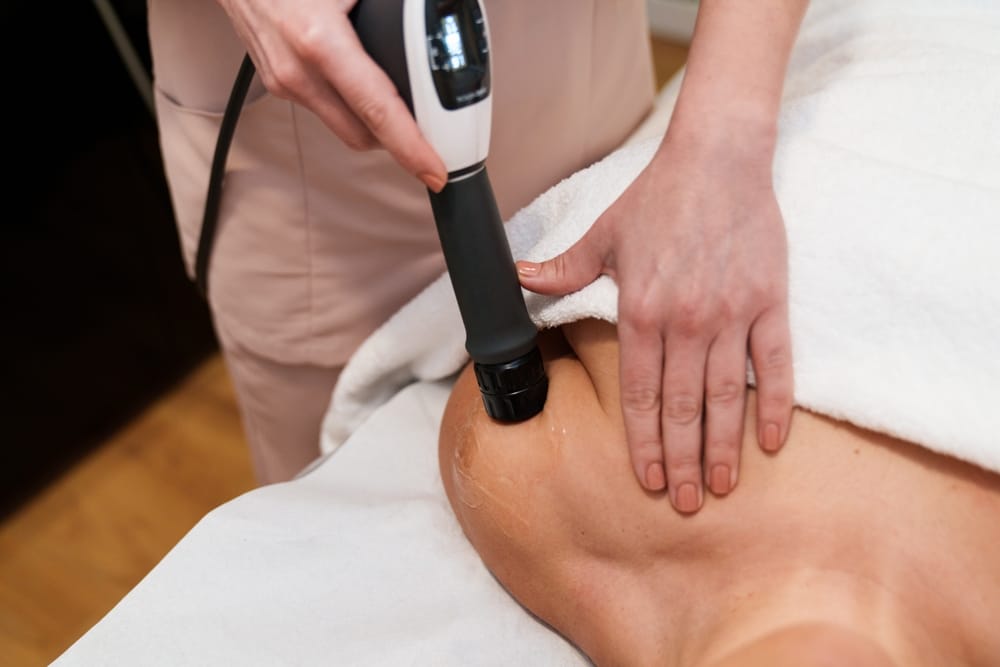
The mechanical forces generated by shock waves break apart calcified deposits that commonly form in chronically inflamed tendons. These calcium buildups contribute to pain and restrict normal tissue movement, particularly in conditions like calcific tendonitis and calcific tendon disease of the shoulder. As these deposits fragment and dissolve, your tendons regain their normal flexibility and the associated pain typically diminishes significantly.
Restoration of Normal Blood Flow
Chronic injuries often develop areas of poor circulation where healing has stalled. The therapy stimulates the formation of new blood vessels, restoring adequate oxygen and nutrient delivery to damaged tissues and improving overall blood flow to the area. This renewed circulation helps clear metabolic waste products and inflammatory substances that keep pain cycles going, allowing your body’s natural repair mechanisms to work effectively again.
Interruption of Chronic Pain Signals
The acoustic pulses affect nerve endings in treated areas, disrupting the transmission of pain signals to your brain. This neurological effect can provide lasting pain relief that extends well beyond the treatment period. Many patients experience reduced pain sensitivity that allows them to resume normal activities without the constant discomfort that has been limiting their function.
Breakdown of Scar Tissue Adhesions
Previous soft tissue injuries often heal with excessive scar tissue that creates adhesions between normally separate structures. The controlled stimulation from shock waves helps remodel this restrictive scar tissue, restoring normal tissue movement patterns. This remodeling process can dramatically improve flexibility and function in areas that have felt stuck or restricted for a long time.
Acceleration of Cellular Repair Processes
The mechanical stimulation activates cellular pathways responsible for tissue regeneration and tissue repair. Fibroblasts increase collagen production, while other cells ramp up their activity to repair damaged structures. This cellular activation often jumpstarts healing in musculoskeletal injuries that have remained stuck for months, leading to progressive improvement over the weeks following treatment.
Our Shockwave Therapy Process
Precise Anatomical Mapping
Before applying any shock waves, we perform detailed palpation to identify the exact location of your pain generators and tissue restrictions. Using anatomical landmarks and your pain responses, we map the specific areas requiring treatment. This mapping process ensures that energy delivery targets the actual problem areas rather than simply treating the region where you feel symptoms, which may be referred from elsewhere.
Calibrated Energy Delivery
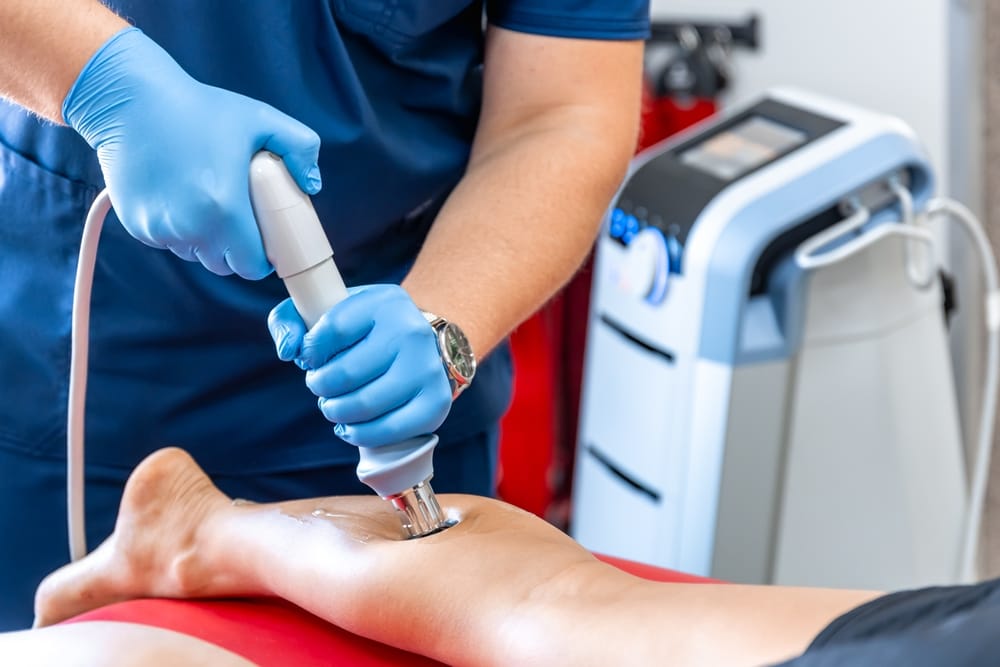
We position the shock wave emitter directly over the mapped areas and begin delivering acoustic pulses at carefully calculated intensities. The energy level starts conservatively and increases gradually based on your tolerance and tissue response. Each pulse creates a distinct tapping sensation, and we monitor your comfort level throughout the session while ensuring adequate energy reaches the target tissues.
Real-Time Treatment Adjustment
During each session, we continuously assess how your tissues respond to the acoustic energy. If certain areas prove more sensitive or require different energy levels, we adjust the parameters right away. This real-time modification ensures that each treatment zone receives the right stimulation while avoiding excessive discomfort that could cause you to tense up and reduce treatment effectiveness.
Post-Treatment Activity Guidelines
Immediately following each session, we provide specific instructions about activity levels for the next 48 hours. Some movements can interfere with the healing response we’ve initiated, while others can support it. We also explain what sensations are normal during the healing phase and when you should reach out to us about your recovery progress.
Progressive Treatment Modification
As you move through your treatment series, we modify the approach based on your response patterns and symptom changes. Areas that improve quickly may need less intensive treatment, while stubborn regions might need adjusted parameters or additional sessions. This ongoing modification ensures that your treatment plan evolves with your healing rather than following a rigid protocol.
Is Shockwave Therapy Right for You?
This treatment carries real limitations that make it unsuitable for many patients. The shock waves can cause serious complications in people with bleeding disorders, those taking blood thinners, or patients with pacemakers or other implanted electronic devices. Pregnant women cannot receive this therapy due to unknown effects on fetal development.
The treatment itself can be quite uncomfortable, particularly for sensitive conditions or when treating areas close to bone. Some patients find the repetitive pulsing sensation difficult to tolerate, especially during the first few sessions when tissues are most reactive. Many patients also experience a temporary worsening of symptoms for several days after treatment, which can be discouraging if you’re not prepared for it.
Success rates vary depending on your specific condition and how long you’ve had symptoms. Acute sports injuries often respond better than chronic musculoskeletal injuries that have persisted for years. Some patients see meaningful improvements within weeks, while others experience minimal change despite completing a full treatment series. The therapy also requires multiple sessions over several weeks, which may not fit everyone’s schedule or budget.
Why Choose Draper Spinal Care for Shockwave Therapy
Integration With NUCCA and Spinal Decompression
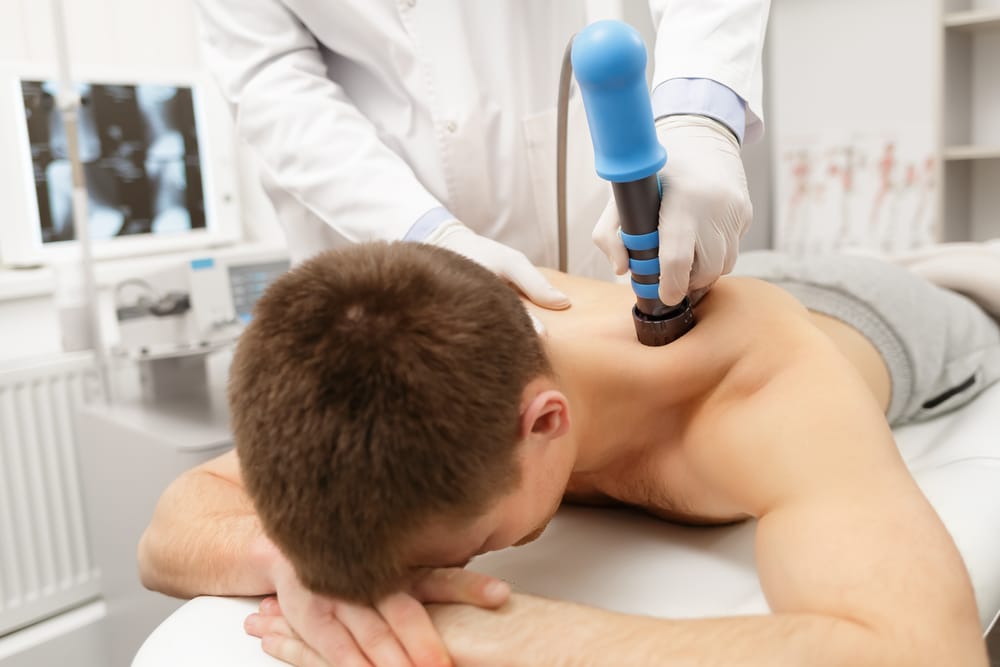
Our clinic combines acoustic wave therapy with NUCCA upper cervical adjustments and DRX9000® spinal decompression. This allows us to address both the local soft tissue injuries causing your pain and any spinal misalignments that might be contributing to abnormal stress on the affected areas. Many musculoskeletal disorders involve both local tissue damage and biomechanical dysfunction that keeps the problem going.
Hyperbaric Oxygen Therapy Enhancement
We can coordinate treatments with hyperbaric oxygen therapy sessions to potentially speed up your healing response. The increased oxygen availability may enhance the tissue regeneration and tissue repair processes that the shock waves stimulate, creating a combined effect that neither therapy achieves on its own. This approach is particularly useful for patients with circulation problems, venous leg ulcers, or conditions that have been slow to heal.
Supportive Care and Exercise Guidance
Alongside acoustic wave treatments, we provide targeted exercise guidance and lifestyle support to help restore normal movement patterns and reduce the chance of re-injury. Physical therapy principles are well established in musculoskeletal recovery, and we incorporate that same foundational approach into your care. Building strength and improving biomechanics around the affected area plays an important role in maintaining your results long term.
Schedule Your Shockwave Therapy Evaluation
Your path toward resolving persistent soft tissue pain starts with understanding whether this treatment matches your specific condition. Contact Draper Spinal Care today at (801) 701-2111, visit us at 11585 State St Suite 102 Draper, UT, or book an appointment to discuss your symptoms and find out how extracorporeal shockwave therapy might fit into your healing goals!
Book An Appointment
FAQs About Shockwave Therapy
How do I know if my condition will respond to this treatment?
Response rates vary based on your specific diagnosis, symptom duration, and individual healing capacity. Conditions like plantar fasciitis, heel spurs, jumper’s knee, Achilles tendinitis, and retrocalcaneal bursitis typically show good response rates, while complex chronic pain syndromes can be less predictable. We evaluate your case individually and discuss realistic expectations based on current research and our clinical experience with similar presentations.
What happens if I can't tolerate the discomfort during treatment?
Some patients find the pulsing sensation too intense to complete full sessions, particularly when treating sensitive areas or acute soft tissue injuries. We can adjust energy levels and treatment duration to improve comfort, though this may require additional sessions to achieve the same effect. If tolerance remains a problem, we’ll talk through alternative treatment approaches that might be a better fit for your situation.
Will this interfere with my current medications or treatments?
Certain medications, particularly blood thinners, create safety concerns with acoustic wave therapy due to increased bleeding risk. Anti-inflammatory medications might also interfere with the healing response we’re trying to stimulate. We review all your current treatments and medications to identify any potential interactions and make recommendations about timing or modifications needed for safe, effective treatment.
How long before I know if the treatment is working?
Some patients notice changes within days of their first treatment, while others don’t see improvement until completing several sessions. The healing response often occurs in phases, with initial changes in pain levels followed by gradual improvements in function and mobility. We typically reassess your progress after three to four sessions to determine if you’re responding well and whether to continue with the planned treatment series.
Why might this work when other treatments haven't helped?
This therapy works through different biological mechanisms than most conventional treatments you’ve likely tried. Instead of reducing inflammation or masking pain signals, extracorporeal shockwave therapy stimulates tissue repair and tissue regeneration processes and breaks down restrictions that may be preventing natural healing. That said, it’s not universally effective, and some musculoskeletal injuries that don’t respond to shock waves may improve with other approaches we offer at our clinic.
